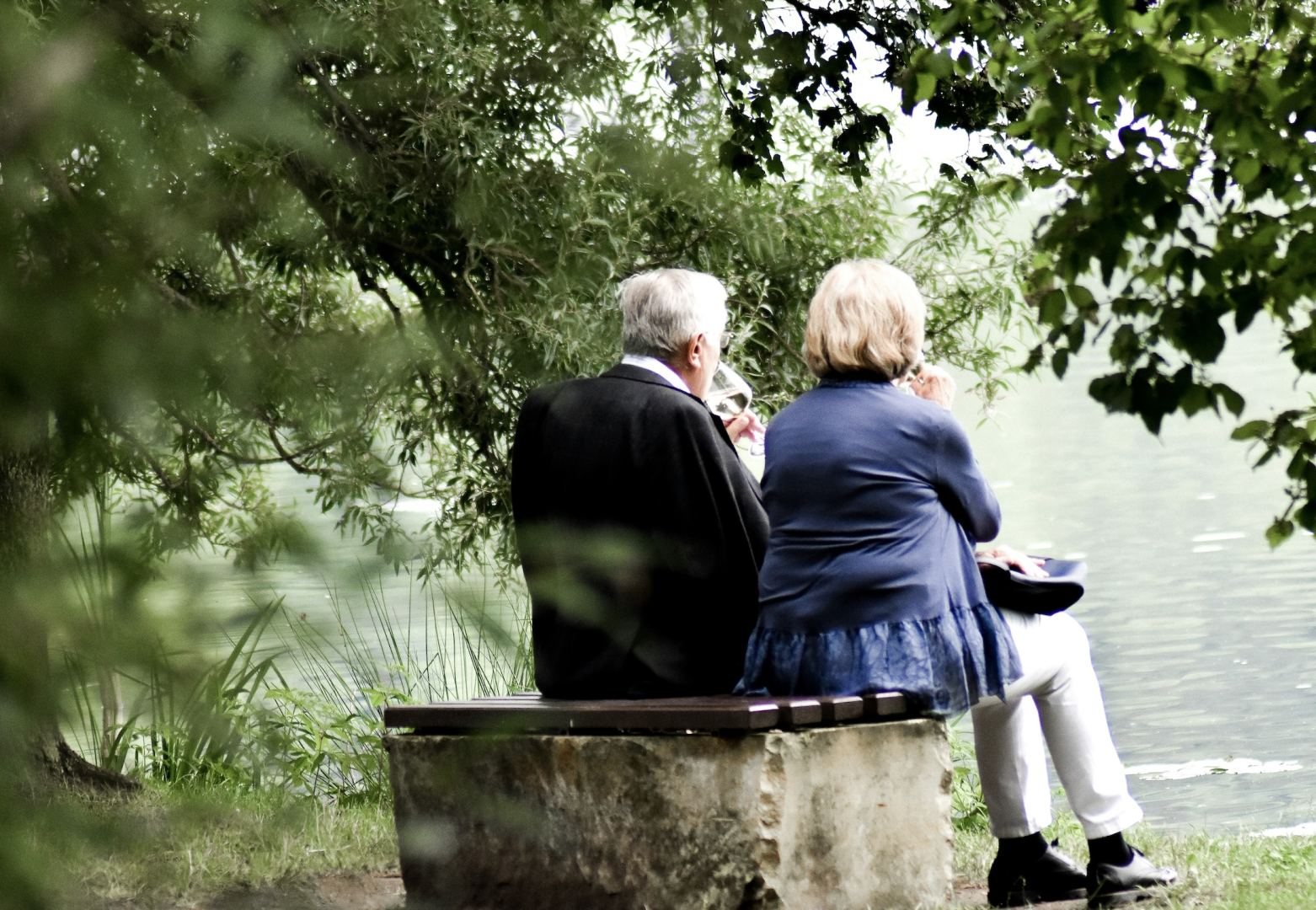



Portugal has just two workers for each pensioner
Portugal’s work-to-retirement ratio its getting dangerously imbalanced with only 2.6 workers for every pensioner a conference found.
The III Verlingue Expertise Conference gathered specialists in Lisbon to discuss the challenges of an aging society and the consequences of longevity on the sustainability of pensions.
Portugal is “among the three most aged countries in the world” and is heading towards a scenario where there may be little more than one worker per pensioner.
Experts from various sectors debated the economic, social and human challenges associated with longevity and the urgency of anticipating risk at this conference last week, which included the participation of representatives from the Social Security Institute, the Catholic University of Portugal, Adecco, CUF and the Lawyers and Solicitors’ Pension Fund (CPAS), as well as sponsorship from AIG, Generali Tranquilidade, MetLife and Multicare (Fidelidade).
Pedro Corte Real, president of the Social Security Institute, revealed that there are currently about 2.63 active workers for every retiree in Portugal, a progressively decreasing trend that threatens the sustainability of the public pension system.
He argued that the solution lies in an integrated approach across the three pillars of retirement – public, occupational, and individual – coupled with greater investment in financial literacy and private savings and protection solutions.
In the world of work, the effects of aging are already being felt concretely. Alexandra Andrade, Country Manager of Adecco Portugal, highlighted that up to five generations currently coexist simultaneously in the labour market, making talent management more complex and demanding.
Professionals are increasingly valuing non-salary benefits linked to security and well-being, in a context of longer and more uncertain careers.
Miguel Morgado, from the Catholic University of Portugal, stated in his closing speech that living longer only represents progress if it is associated with quality of life, protection, and risk anticipation, and therefore it is necessary to rethink the models of protection and support throughout life.
Source: ECO; image: Scen Mieke on Unsplash.