


Labour package negotiations collapse after union rejection
The Portuguese Confederation of Commerce and Services (CCP) stated on Thursday that it does not see how it will be viable to continue negotiations on the government’s labour package, following its rejection by the union UGT, a position which it said does not value the efforts by the partners to compromise.
“I think the UGT’s position is negative. It does not value the efforts to compromise that the CCP and the business confederations have made over the months,” said the president of the CCP, João Vieira Lopes, in statements to Lusa.
João Vieira Lopes also said he doesn’t see how it will be viable to continue negotiations, since all the points “have been seen and reviewed”.
The UGT national secretariat today rejected the current proposal for amending the labour legislation presented by the Government and calls for the continuation of negotiations.
Miguel Cabrita, a PS (Socialist Party) deputy, said that the party accepts changes in the labour market, but “so long as they are for the better”, meaning “looking to the future and not reopening discussions and wounds from the past.”
In his opinion, this proposal is based on “wrong assumptions” and does not present solutions for the future. Therefore, he adds that to discuss improvements in the labour market, the PS is not only available but has been so for years.
“This specific proposal will not get the support of the PS in the parliament,” he concluded.
On Thursday, the UGT (General Union of Workers) rejected the labour package presented by the Government.
Members of the UGT’s national secretariat stated that the negotiation process, which has taken place over more than eight months since the initial revised draft of the labour package was presented in July last year, “did not go as expected”.
The union also considers that the proposals made by it “were not taken into account,” regarding matters such as cutting working day hours, increasing severance pay and payments for overtime and night work, the reinstatement of compensatory rest periods, the strengthening of the role of the minimum wage, or joint liability in the case of outsourcing, among others.
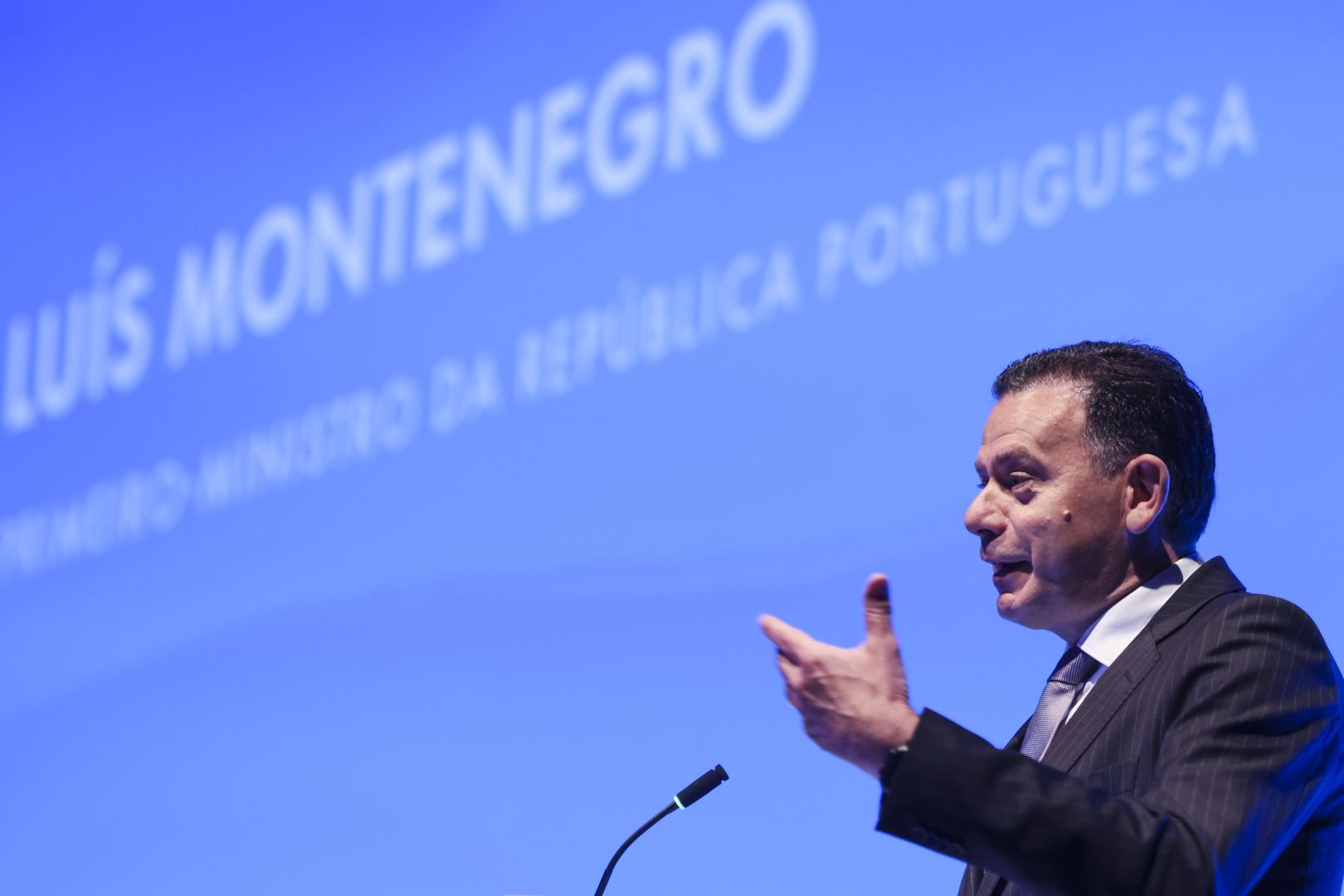
The Portuguese government, led by Prime Minister Luís Montenegro, has bee currently pushing a major labour reform package known as “Trabalho XXI” (Labor XXI) in 2025-2026, aimed at increasing flexibility, reducing labour rigidities, and enhancing competitiveness.
This policy proposal includes over 100 changes, many of which aim to reverse some protections introduced by previous socialist-led governments.
As of April 2026, the negotiations reached a critical phase (April 9 deadline), with the government submitting the final bill to Parliament by the end of the month, regardless of whether a consensus is reached with social partners. Prime Minister, Luís Montenegro said he continued to be confident in a resolution to the current impasse between the government and company associations on the one hand and the union on the other.
Among the key proposals of Trabalho XXI are:
Fixed-Term Contracts: The government proposes extending the maximum duration of fixed-term contracts from 2 to 3 years and open-ended contracts from 4 to 5 years, while broadening the scenarios in which they can be used.
Return of Individual Hour Banks: The proposal seeks to reintroduce individual hour banks, allowing employers and employees to agree to extend the working day by up to 2 additional hours, up to a maximum of 150 hours per year.
Outsourcing Rules: Restrictions on hiring external services for 12 months after collective dismissals are slated to be lifted or eased.
Dismissal Compensation: Employers have pressed for changes in compensation for unlawful dismissal, which is currently 14 days’ pay per year of service.
Minimum Services During Strikes: The package includes expanding minimum service requirements to sectors such as nurseries, schools, care homes, and private security.
Vacation Flexibility: Employees would be allowed to purchase up to 2 additional vacation days per year, with a corresponding salary deduction.
Parental Rights: Proposals include extending parental leave to six months, paid at 100% if shared equally, and increasing mandatory exclusive parental leave for fathers to 14.
Sources: Lusa, Jornal de Negócios, and Jornal Ecónomico; Credits: TIAGO PETINGA/LUSA
Copyright: © 2026 LUSA – Agência de Notícias de Portugal, S.A.