


Portugal’s defence minister says armed forces battle-ready to tackle summer wildfires
Portugal’s minister of National Defence stated last week that the country’s Armed Forces are on high alert to help prevent and combat wild fires but also for firefighting, warning of the “very sensitive” situation the country is currently facing as temperatures soared to nearly 40ºC over the weekend.
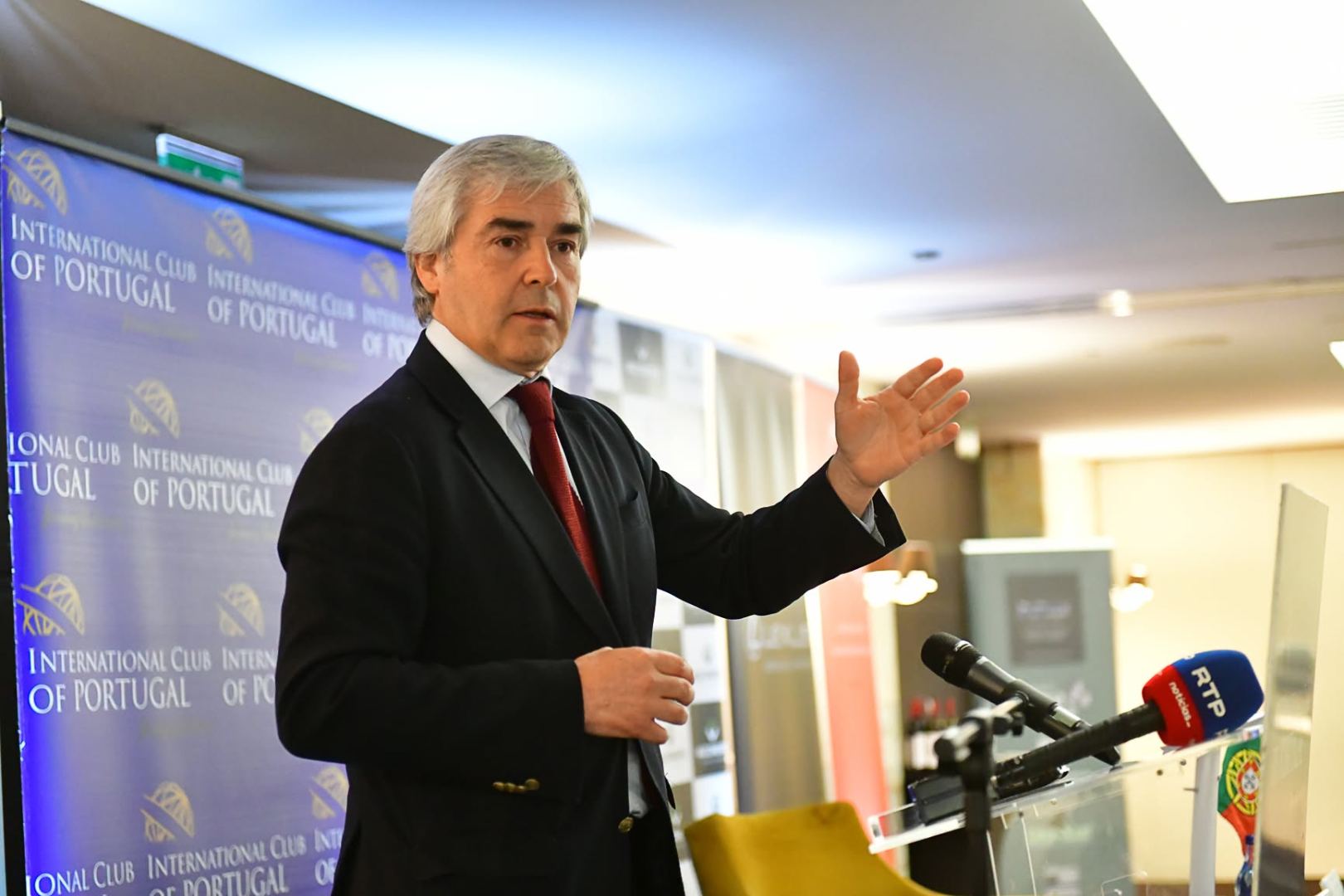
On the sidelines of a luncheon-debate organised by the International Club of Portugal, (ICPT) held at the Sheraton Hotel & Spa in central Lisbon, Nuno Melo was asked about the readiness of the Armed Forces to tackle the inevitable annual summer fires that sweep through the country in the month of July to September.
Nuno Melo highlighted that, in recent years, the Armed Forces have been engaged in prevention and post-fire operations; however, this year, military personnel will also be involved in active firefighting efforts.
The Defense Minister cited the Monte Real Air Base in Leiria as an example, noting that the Air Force “maintains a constant presence of P-3 and C-295 aircraft tasked with early fire detection,” alongside the “immediate deployment of a Blackhawk helicopter—cutting through red tape to ensure operations are smoother and more effective.”
Melo further stated that “the Army has signed dozens of agreements with local authorities” and that, at this moment, “numerous patrols are traversing the country to spot fire outbreaks.”
When asked whether military assets would intervene only when civilian resources proved insufficient, Nuno Melo replied in the negative, again citing the Monte Real example.
“Early detection by P-3 or C-295 aircraft will allow the Blackhawk helicopter to launch an immediate attack without having to go through that entire bureaucratic chain—which could mean the difference between early detection and a fire that has already taken hold,” he emphasised.
Nuno Melo highlighted that this involves “a different way of operating” between military and civilian entities in this area.
“Over the past two years, we have changed the State’s philosophy regarding the complementary role the Armed Forces can play in supporting the civilian population across various areas; we have more personnel, more equipment, greater cross-functional capability, and better organization,” he listed.
However, Nuno Melo pointed out that smoother processes “do not mean that disasters won’t happen, because they do.”
“The situation is, in fact, very sensitive, and everyone must play their part; everyone must make an effort to clear their land and do their share, because public authorities alone—under no circumstances—can do everything by themselves,” he urged.
On Thursday, the government declared a state of alert due to the high temperatures expected through to today (Monday, July 6) and issued emergency orders banning the use of machinery in agricultural activities.
The Prime Minister explained that the government-decreed state of alert was due to the “high temperatures the country is facing” in the coming days and stated that he would monitor weather developments “in detail.”
Source: ECO Online