


Does Lisbon have too many hotels?
The President of the Hotel Association of Portugal has warned that municipal councils, particularly Lisbon City Council, cannot keep endlessly granting planing permission for hotels.
Bernardo Trindade, a former secretary of State for Tourism and the administrator of the PortoBay Hotels & Resorts Group, says there needs to be a review of Lisbon’s Tourism Strategy Plan which should include a sustainability study given the continued growth of hotel supply in the Portuguese capital.
In other words, the actual president of the association and one of the country’s leading hoteliers has warned that the hotels market in the capital is at risk of overheating with an excess of hotel supply.
Bernardo Trindade points out that Lisbon can expect to see its hotel offer increase by 10% by the end of next year without even having an airport that can cope with the estimated increase in the influx of tourists who will stay in these hotels.
Lisbon has a list of approximately 54 new hotel units under development. The capital stood out as the 3rd European city with the most projects under construction and with a strong focus on luxury and high-end segments.
These new hotels will be added to the already 330 hotels in the city while Lisbon and Porto combined can expect around 200 new hotels over the next few years.
After several years of rapid growth, the Portuguese hotel industry has hit a high phase in 2026, with signs of pressure, especially in Lisbon. Many of the charm and boutique hotels that have sprung up in the capital in recent years are clearly necessary and welcome additions to the city’s hotel stock, breathing a new lease of life into historic 18th and 19th century buildings which were in a dreadful state of repair and otherwise could have faced demolition.
Last year, Portugal’s tourism revenues nearly hit €30Bn (€29.8Bn), which compared to €28Bn in 2024.
The issue of hotels saturation isn’t new. It was highlighted at the AHP’s annual congress which took place in Porto in February.
And in a report out this week from the real estate consultants CBRE “European Hotel Investor Intentions Survey 2026” Portugal is the 4th most attractive destination in Europe for hotel investment and certainly investors would not be looking at Portugal and its main cities of Lisbon and Porto if they thought the market was already saturated.
Lisbon City Council’s Housing and Urban Planning councillor, Vasco Moreira Rato admitted this week that demand for hotels would stabilise in the city, but said he did not expect a fall in demand with hotels continuing to spring up like mushrooms in the capital and points out that if they are legal, the authorities can’t simply say ‘No’.
“Lisbon City Council has to promptly assess submitted (hotel) projects and verify their legality,” and, “if they are legal, there is no political discretion – and in my opinion, rightly so – to simply say no, because there are too many hotels, or too much local accommodation,” he explains. “There is a very careful and strict verification of legality,” he emphasises in an interview with the business daily Negócios.
In other words, if the current city urban planning legislation permits hotels development, you can’t just refuse new projects, even if there are concerns that the city has too many hotels, without revising the current city development master plan.
The councilor pointed out that Lisbon City Council is preparing a study on the city’s tourism sector and that the conclusions of this work will also be reflected in the revision of the municipal master plan (PDM), currently underway, which, he says, the city council hopes to conclude during this term.
The new version of the PDM, he specifies, could alter how land use is distributed and how it can be authorised for use throughout the city, the councilor stated.
In the meantime, the most pressing problem is not whether there are enough hotels to accommodate all the tourists, summit, conference and congress goers who descend on the city each year, but if Lisbon’s Humberto Delgada airport has the physical capacity or border control systems in full working order to process them?
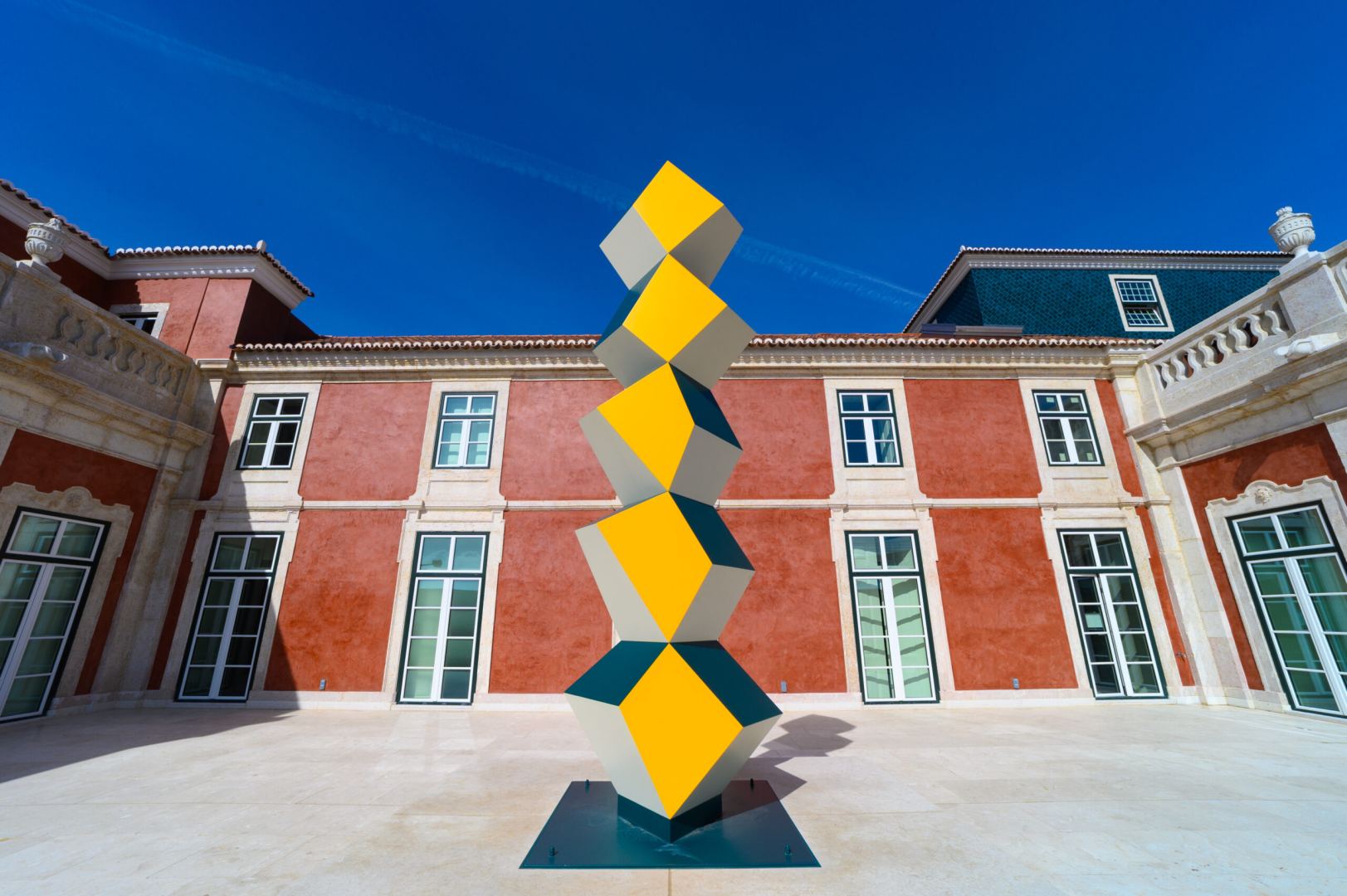
Sources: Negócios, Expresso; Image: The new award-winning MACAM Hotel (Armando Martins Museum of Contemporary Art & Hotel) in Lisbon combines a five-star hotel and contemporary art museum in a part of Lisbon that was in need of rennovation. It is an example of a restoration project of an 18th century building that has breathed new life into the city and is exactly the type of hotel that brings Lisbon kudos. Credits: MACAM/CML.